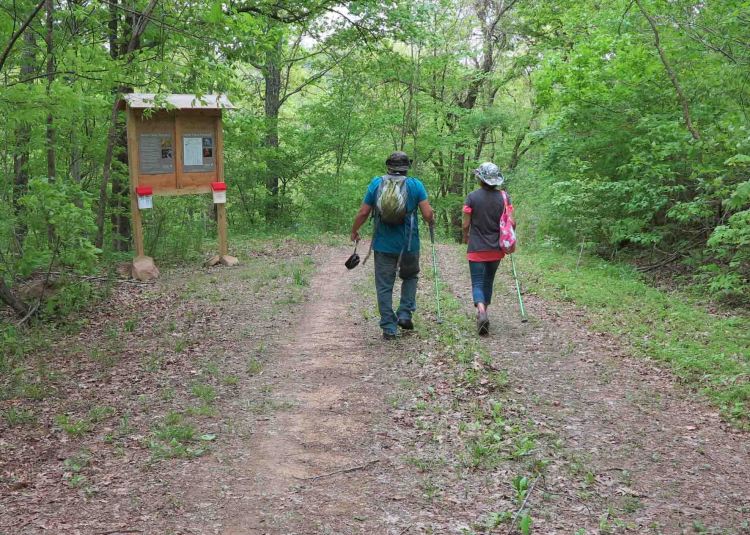
Happy Birthday, Nimblewill Nomad!

img_6743rr

Happy 79th birthday, Nimblewill and safe travels!

Nimblewill Nomad (M. J. Eberhart) is somewhere on the western side of the United States completing Odyssey 2017: Historic Route 66 from Chicago, Illinois to Santa Monica, California. His walk began in July and will end in late November, covering 2,300 miles.

img_6759rr

Nimblewill is kindhearted, a gentleman, and a powerful long-distance backpacker! After retirement, he began walking, and he hasn’t stopped. A few years ago, he did the “Triple O” the Ouachita Trail, Ozark Highlands Trail, and Ozark Trail in Missouri. He walked from the end of one trail to the beginning of the next. His book, Ten Million Steps, tells the story of his walk from the Florida Keys to Quebec, Canada.

img_6900rr

Nimblewill is tentatively scheduled to speak at the December 10 meeting of the Ozark Highlands Trail Association, beginning at 6 p.m. He’ll share his Route 66 Trek and probably throw a poem or two in for good measure. His book, Ten Million Steps, will be available for purchase and signing.

You’ll not want to miss this!

Ozark Highlands Trail Association December 10 meeting

Where? 2536 N. McConnell Rd!  To get there from I-540 take Exit 66 south on AR 112 (Garland Ave), turn west at Drake Street stop light to reach McConnell Rd, turn south to Washington County Extension Service near the fair grounds. 36.098 latitude 94.180 longitude for gps users.

“Progressive Dinner” in the Ozarks – Hare Mt. Hike-In

IMG_3562rr

The Hare Mountain campfire felt good this year.

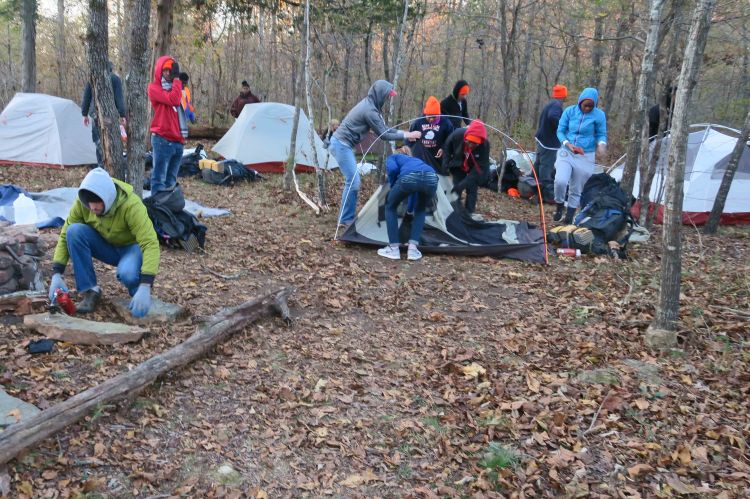
This fall’s first predicted freeze didn’t discourage hikers from gathering on Hare Mountain for the annual potluck meal and campfire fellowship that dates back to the 1980s. We were joined by fifteen hikers with a youth group from Oklahoma, so Hare Mountain’s population was up from zero to approximately fifty.

IMG_3559rr

Youth group from Oklahoma

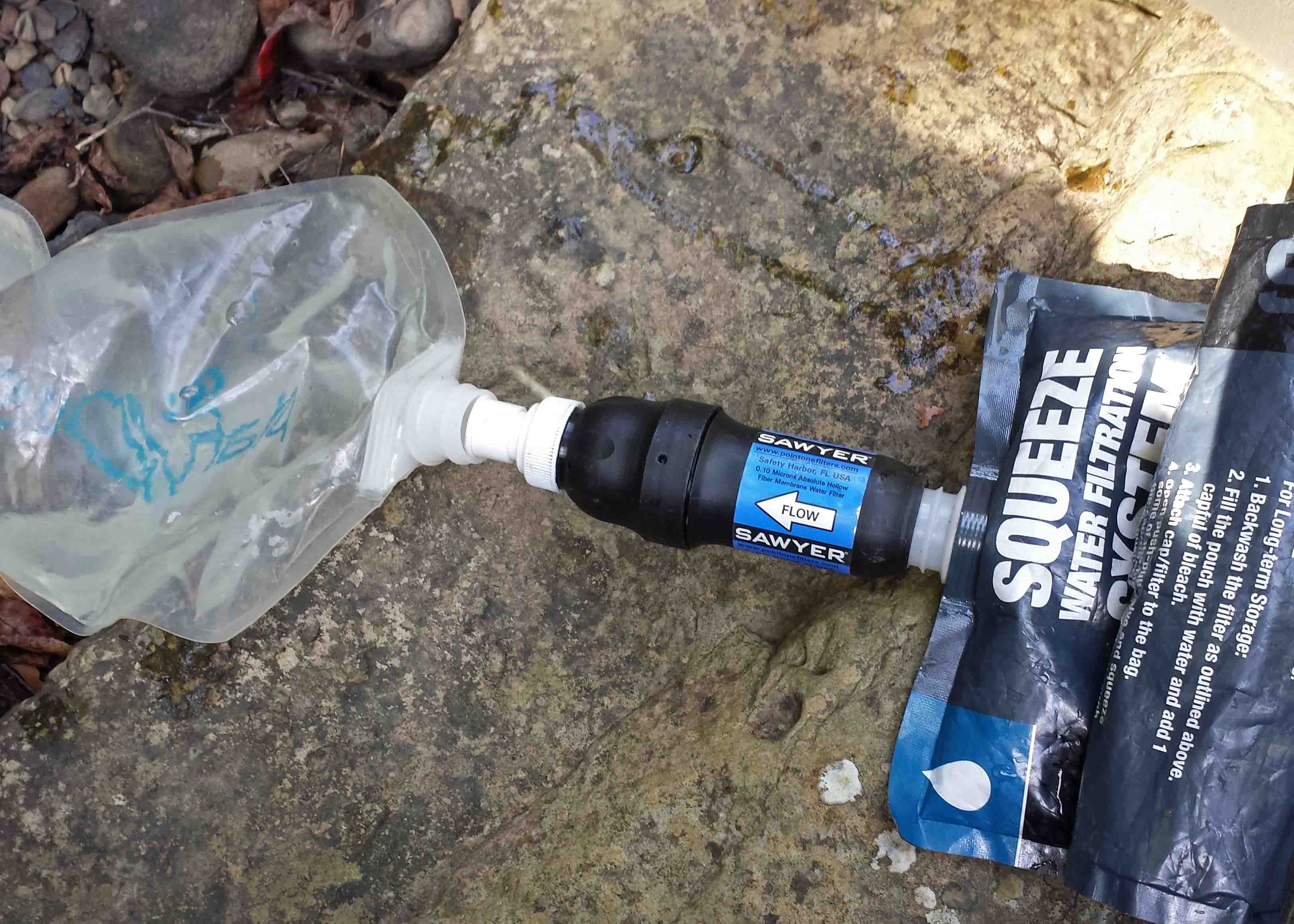
I noticed the Oklahoma leaders discussing a cracked water jug and took pleasure in sharing extra water I’d carried in. I thought back to Joe who camped next to us on the John Muir Trail and gave me his Sawyer filter pouch when mine failed. It’s fun to play a small role in making trail magic happen for someone else. I enjoyed telling the Oklahoma leader that this jug contained Alma City water which won the Arkansas taste test in recent years.

IMG_3545rr

progressive dinner

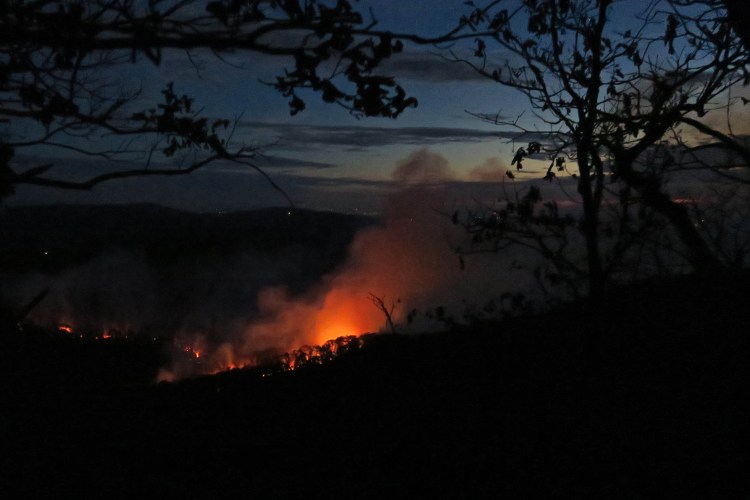
The weather was beautiful for this year’s hike-in, and we were without last year’s forest fire down below the mountain. As food warmed on the fire, a “progressive dinner” ensued as more hikers (and food) made the trek up the mountain. 

It was a great time atop Hare Mountain this year!

Hare Mountain Hike-In

Spread the word!

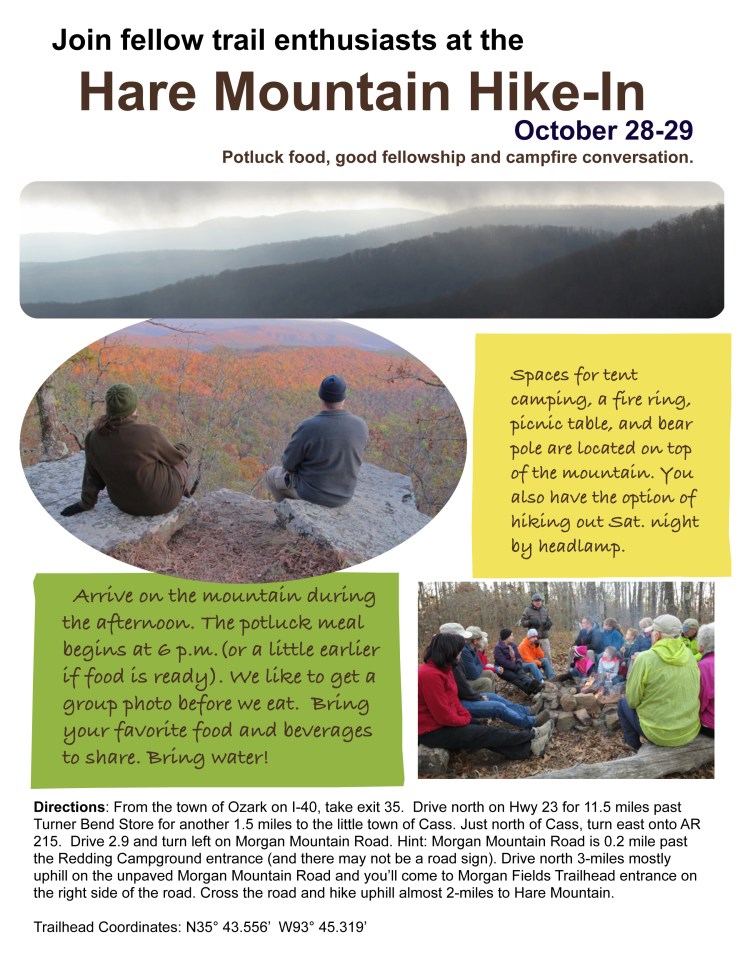
Hare Mountain Hike-In poster 1117

Here’s a post from last year’s Hare Mountain Hike-In. Maybe you’ll make this an annual tradition at the highest point on the Ozark Highlands Trail.

Below is a link to this year’s poster as a pdf in case you’d like to print or share on social media.

Hare Mountain Hike-In poster 1117 

Ozark Highlands Trail on The Trail Show Podcast

The Trail Show

Steven Parker, Maintenance Coordinator for the OHTA, gave an excellent discussion of the Ozark Highlands Trail on The Trail Show podcast. Seven’s interview begins 41 minutes into the podcast.

If you accidentally come in a couple of minutes early, don’t let the heavy metal-like “Back on the Trail” scare you. Just past this shocking sonic experience, you will be treated to a 20-minute discussion of the Ozark Highlands Trail.

Click on link to go to the podcast or paste address into your search window: http://thetrailshow.com/the-trail-show-60-the-oht/

Here’s an earlier blog post that includes some photos of Steven and other volunteers who keep the OHT open. In Praise of Trail Maintainers

Hare Mountain Annual Ritual

cropped-imgp8105rr2.jpg

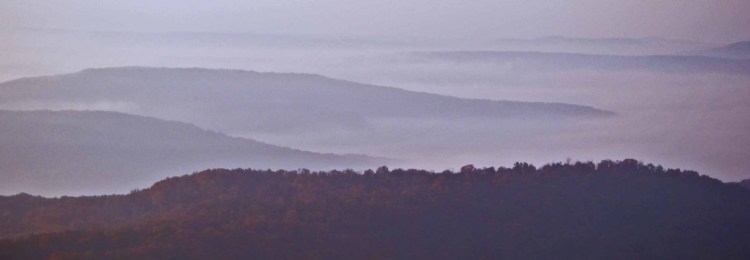
View to the west from Hare Mountain

What causes folks of all ages and locations to climb a hill and eat a meal together for over 30 years running? This was my thought as I drove the 46-miles to the Morgan Fields Traihead next to Hare Mountain, with my to-do list for the next week weighing on my mind. This was probably my tenth Hare Mountain Hike-In. I couldn’t be sure.

I’d hiked Shepherd Springs Loop at Lake Fort Smith that morning so Hiker-dog wouldn’t be upset at being left behind for the Hare Mountain hike. The early morning clouded sky played with the light and made this a delightful hike so she seemed willing to rest when I left for Hare Mt. in the early afternoon.

Shepherd Springs Loop photos from our morning hike. 

As I stepped off the gravel road at Morgan Fields Trailhead and felt the cushioned surface beneath my feet in a quiet pine grove, my shoulders began to relax. The weight of my pack felt like a close friend’s hand on my back. The slight climb felt good, and my heart began to tap a stronger rhythm as cares dropped away like dust from the soles of my shoes.

Pretty quickly it became evident that a fire was burning to the west of the mountain this year. The woods were dry, so I was thankful that there wasn’t any wind.

img_7211rr

Smoke rising from the valley to the west.

IMG_2580rr

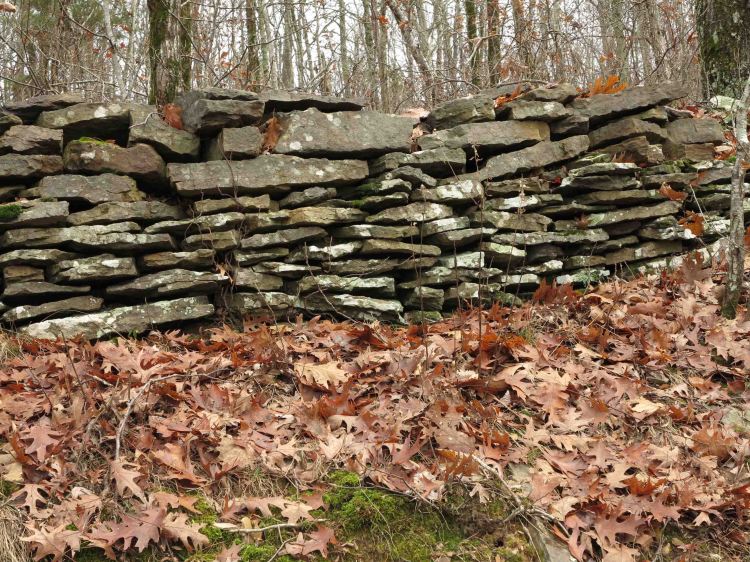
Rock wall next to the trail

Continuing past rock walls above the trail, I began to think of Hare Mountain Hike-Ins-past. I thought of Wildman, well into his 80s, and the mischievous twinkle in his eyes as he talked of the long trails he’d hiked or watched the energy of children playing around the campfire. I thought of others who, like Wildman, were no longer with us. I wondered what memories and feelings of nostalgia might follow those who’ve hiked this path for twenty or thirty years.

imgp8078

Wildman enjoyed visiting with youngsters on Hare Mountain

When it looked as if the Hare Mountain Hike-In tradition might be discontinued a couple of years ago, Bob and Dana Cable stepped forward to continue scheduling the “Hike-In” as in the past.

img_7214rr

Dana and Bob

While sitting around the campfire, Bob announced that Grey Owl and his wife Lenna hiked up earlier in the day for a quick visit with other early arrivers and then walked back down the mountain to avoid driving back to Oklahoma in the dark. I was sorry to miss them but thankful that they made the hike in this year. Bob’s imitation coonskin hat was a gift from Grey Owl several years ago and he always wears it on Hare Mountain.

The fire burning below the mountain made a memory for this year’s hike-in. After the potluck feast, Steve and I took a few photos of the red glow below in the darkness. It was an unusual and beautiful scene, especially since we had word that the fire was contained.

img_7247rr

Ritual is the word that came to mind while walking away from the top of Hare Mountain. Doing this hike each year could be considered a “ceremony consisting of a series of actions performed according to a prescribed order.” It’s also fun, which I don’t think disqualifies the word “ritual.”

img_7238rr

Grey Owl’s quick hike up earlier that day confirmed my thoughts. The Hare Mountain Hike-In rises to the level of ritual for many of us. Maybe it’s the simple desire for fellowship with trail friends, or it’s a fitness check as you compare this year’s hike with those in the past. Maybe it’s a chance to share our collective memories and relive stories from the trails we’ve hiked. Whatever the reasons we choose to make this trek, my hope is that it will continue to be a tradition (or ritual) for years to come.

Trail Work in July?

A few weeks ago I was appalled to find some major tree blowdowns on my adopted section of the Ozark Highlands Trail. I’ve bragged that since my section follows the Jack Creek drainage, it’s protected from winds and ice. We weren’t so lucky this time.

From the pattern of downed trees, a microburst must have passed through a portion of the area and dipped into my quiet little valley. Large trees fell like dominoes, some across the trail.

Mike LeMaster and I decided to work this section from Dockery Gap (approx.  mile 10.5) west to around mile 6. Out-and-back, this came to around 9 miles with numerous stops to cut and clear. Mike likes doing some trail maintenance in the summer to stay in shape for the busier maintenance and hiking months in the fall. We got a good workout on this day!

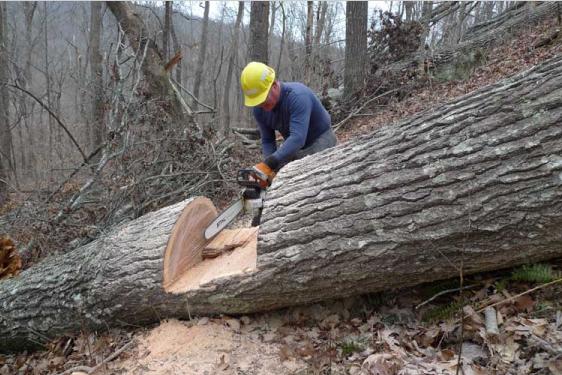
Mike cutting the first tree encountered.

Mike cutting the first tree encountered.

We found several large trees across the trail between mile 9 and 10, but this wasn’t the worst of it.

Typical

Before photo: Typical “blowdown” encountered on the trail.

This was the scene in several spots on the trail. We first had to determine the trail route through multiple downed trees and then Mike began to do his chainsaw magic. My job as “swamper” was to pull stuff off of the trail and stay out of the way.

After

After

Large oaks toppled head-high across the trail at one creek crossing.

This large trunk was head-high across the trail close to a creek crossing.

One of the things I asked Mike to agree to was that I carry the chainsaw. It was the least I could do after he sawed on this July day with a heat advisory in effect. I later learned that Mike was looking forward to a cool dip in Jack Creek at the far end of our maintenance route. I was looking forward to filtering a fresh batch of water (upstream from Mike) for our return hike to Dockery Gap. It was nice to cool off and unusual to have so much water in the creeks in July!

Jack Creek close to mile 6

Jack Creek close to mile 6

I want to say a big thank you to Mike for braving the heat and helping me with my section of trail. As a board member of the Ozark Highlands Trail Association (volunteer position), he takes a hands-on approach to leadership! It felt good to walk back through the areas we’d cleared earlier. While working this section, I concocted a plan to backpack from Lake Fort Smith to White Rock Mountain and on to Fane Creek in the fall. Can’t wait to see this area again….in cooler temps!

Mike, a master sawyer!

Mike, a master sawyer!

No nonsense day hiking guide for the novice hiker

IMG_8410rr

What do I wear?

What do I take with me?

Where should I go?

When should I go?

What are the dangers? Will a bear get me?

Many questions come to mind when you consider taking a hike for the first time. We’re going to consider these questions and be sure we have some simple answers before heading out. A few good questions can keep us out of trouble and ensure that we want to continue hiking after our early experiences.

Disclaimer: This is not an all-encompassing day hiking guide. These are just my thoughts based on personal experience and a few mistakes along the way.

Oboz hiking shoes

Oboz hiking shoes

What do I wear?

You can wear almost anything and get away with it on the trail. Don’t worry about fashion, but function. We’ll look at this from the ground up since feet are very important to hikers.

  1. Socks are among a hiker’s most important pieces of clothing. I use SmartWool socks, but there are other options. Don’t wear cotton socks unless you like blisters and soggy, smelly feet. Any tennis shoes of reasonable strength are fine for day hiking. Don’t go purchase a heavy pair of hiking boots unless you just want to. I don’t even wear heavy boots when backpacking. I use low-top hiking shoes. I like Oboz right now, but whatever feels good on your feet should guide your decision.
  2. Pants – If the weather is nice, any pants will do. If it’s cold, I prefer anything but cotton pants. Cotton gets wet (making you colder) and then will not dry out in the humid Ozarks until a few days later. When hiking in the Ozarks I almost always wear long pants because of undergrowth, briars, and ticks.
  3. Underwear – For a short day hike, you can use cotton, but as you work up to longer hikes, you’ll want a pair of undies made from a fabric other than cotton.
  4. Shirt – A cotton shirt in summer is alright but if there is a chance of colder temperatures, something like an UnderArmor t-shirt will keep you warmer than cotton.
  5. Hat – A hat is good for sun protection and heat retention, depending on the weather. I accidentally left my hat in my car at the Grand Canyon once and was thankful I had a bandana to tie into a makeshift hat. In some conditions, a hat is a necessity!
  6. Rain protection (especially in cooler temperatures) – A light rain jacket can be wadded up in the bottom of your daypack and forgotten about until needed.
  7. Gloves – Anything but cotton and only if needed. I wear some cheap army surplus wool glove liners when I hike, and they’re fine. I also have some nicer gloves for colder weather but am nervous about losing them. They hook together which is nice for storage in my pack. Finding one glove is more irritating than finding one sock in the drawer.
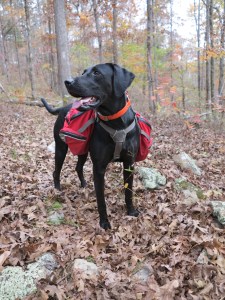
Hiker-dog says,

Hiker-dog says, “The less you carry, the better you move.”

What do I take with me?

As little as possible is my short answer, but there are some essentials you’ll want to have depending on the conditions.  This list is drawn from the ten essentials that are published in many forms. Below is my list roughly by personal priority.

Filtering water from Spirits Creek.

Filtering water from Spirits Creek with a Sawyer Filer

  1. Water and access to water – Put your water in a bottle or a bladder in your pack. One expert hiker friend, Grey Owl, swears by carrot juice bottles. He gave me a couple, and I use them all the time. I carry a small Sawyer water filter in my daypack in case I run low. It doesn’t add much weight and has made me a few friends on the trail when others needed water.
  2. Food – Snacks that you’re used to eating are what you should take on the trail. This is no time to try something new in the food department.
  3. Extra clothing – Think protection from the elements. If it looks like rain, carry rain protection. If it looks like cold, carry an extra layer. My all-time favorite is an insulated vest. Stuff it in the bottom of your pack and it’s like a little insurance policy against a cold snap.
  4. Navigation – Don’t assume that you can’t get lost on a well used trail. Like Jeremiah Johnson, “I’ve never been lost, just confused for a month or two.” Fortunately, I’ve only been confused an hour or so, but it can be a little scary if you’re not prepared. A trail map of the area you’re hiking can make or break your trip. It doesn’t have to be elaborate. Sometimes I just copy the appropriate pages from a trail guide and put them in a zip-lock bag. A compass is important. Even a general idea about directions can save you some grief. Don’t count on the compass app on your phone or GPS. Batteries don’t last. I have a small compass/thermometer that ties to a belt loop or my day pack. It’s always there.
  5. Illumination – A small headlamp or flashlight in your pack can be a big help if a hike takes longer than anticipated and you’re walking the last part of your trail in the dark. I carry a small LED light in my day pack at all times.
  6. Sun and bug protection – A little sunscreen can make you a happy and healthy hiker. Bug spray around the cuffs of your pants can discourage ticks. A little spray around your hat area can discourage deer flies and mosquitoes if you’re hiking in summer. Check for ticks often. If they get attached and stay awhile, your chances of getting one of several tick-borne diseases increase. I can usually feel the little guys climbing up my legs and pick them off before they attach.
  7. First Aid supplies – I like a zip-lock with some bandaids and any medicines I might need if stranded for a while. Keep it simple and light and then forget about it until you need it. Avoid purchasing a first aid kit because it will not be customized for your needs and you’ll be carrying unnecessary stuff.
  8. Fire – I carry a lighter. Don’t smoke, but I always have a lighter with me just in case I need a fire.
  9. Emergency shelter – This is simple to do. Cut a 8-10-inch hole close to the bottom of a large trash bag. I stuff it in the bottom of my pack and forget about it. I can put the bag over me and sit inside for shelter. The small opening allows me to see and breath but protects me from the elements. I’ve never used this but it’s like that cheap insurance policy I mentioned earlier.
  10. Most ten essentials lists include repair kit, but for day hiking I don’t carry any tools other than a small pocket knife. One of my hiking poles has some duct tape wrapped around it for emergencies. I’ve used this twice to reattach a shoe sole for other hikers.
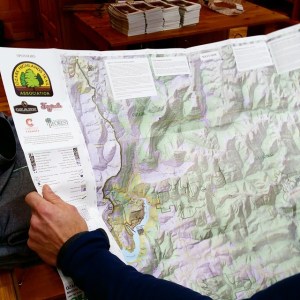
OHT Map

Where should I go?

The short answer is, “Hike anywhere your feet will take you.” The longer answer is to put in a little thought and planning before you head out. When in doubt, hike fewer miles. Begin with 1-2 trail miles. I say trail miles because hiking on most trails is more demanding than walking a track. I learned this lesson once on the Seven Hollows Trail at Petit Jean State Park. I figured we could do four miles in just over an hour since that was what it took on a track. Over two hours later as it was getting dark, my wife and I finished our exhausting hike. Even as an experienced hiker, I always allow about one hour for every two miles of hiking distance.

Pick up a Five-Star Trails guidebook that covers trails in your area. I collect guidebooks like my mother collected cookbooks. It’s fun to browse through to determine possible next hikers. If you’re traveling, Google the area to see what hiking trails are available. I came across a couple of hikers on the Lake Alma Trail who were from Nebraska. They’d checked the web and found our trail. They were delighted with the hike and looking forward to a meal in town before hitting the road refreshed and relaxed.
Fall leaves along the trail.

Fall leaves along the trail.

When should I go?

The short answer is to go as often as possible. In the Ozarks, we have a large hiking window. My favorite months are October through May. September is iffy due to possible warm days. Fall and winter are prime hiking months. June, July, and August are good months for early morning day hikes or some trips out west at higher elevations. Sometimes you’ll catch a cool snap in the Ozarks during the summer months, but that’s rare.

What are the dangers?

The dangers are few and not what you might expect. Bears and snakes are not a concern. Just don’t step on or antagonize a snake and you shouldn’t have a problem. Bear sightings are rare because of the noise hikers make, and our smell usually cues the bear to our presence. I’ve only seen one bear in Arkansas, and that was at a distance. I don’t carry a gun when hiking because it adds weight and addresses none of the real hazards of hiking.

Hazards to avoid through preparation (in no particular order): dehydration / heat exhaustion / hypothermia / ticks / mosquitoes

Deer season coincides with some of the best times of year to hike. I tie a hunter-orange bandana to my day pack year round and avoid impersonating a deer while in the woods. I’ve never had a problem.

One of my readers reminded me of the importance of telling a friend or family member your itinerary, even if it’s a short day hike. Do this whether hiking alone or in a group. I write my trail location and route on a note and leave it with my wife in hopes that she’ll want me to be found if I become lost. If my wife is with me on a hike, I’ll email my itinerary to a trusted hiking buddy.

A couple looking at Hawksbill Crag in the distance.

A couple looking at Hawksbill Crag in the distance.

Get linked up and get out!

You might want to join a hiking club in your area, but check the descriptions of their hikes carefully, so you don’t end up exhausted or with a stress injury. Most hiking groups schedule hikes suitable for novice hikers. The truth is experienced hardcore hikers still enjoy a nice scenic stroll with their camera. In my area, the Fort Smith Trailblazers do a lot of great day hikes. The Ozark Highlands Trail Association and Ozark Society also do group day hikes and backpacking trips of varying difficulty. Hiking with others is a great way to accelerate your knowledge about hiking and hiking locations to explore.

Hiking has enriched my life, enhanced my health, and connected me with some great folks. It’s a great big beautiful world out there. Get out and enjoy!

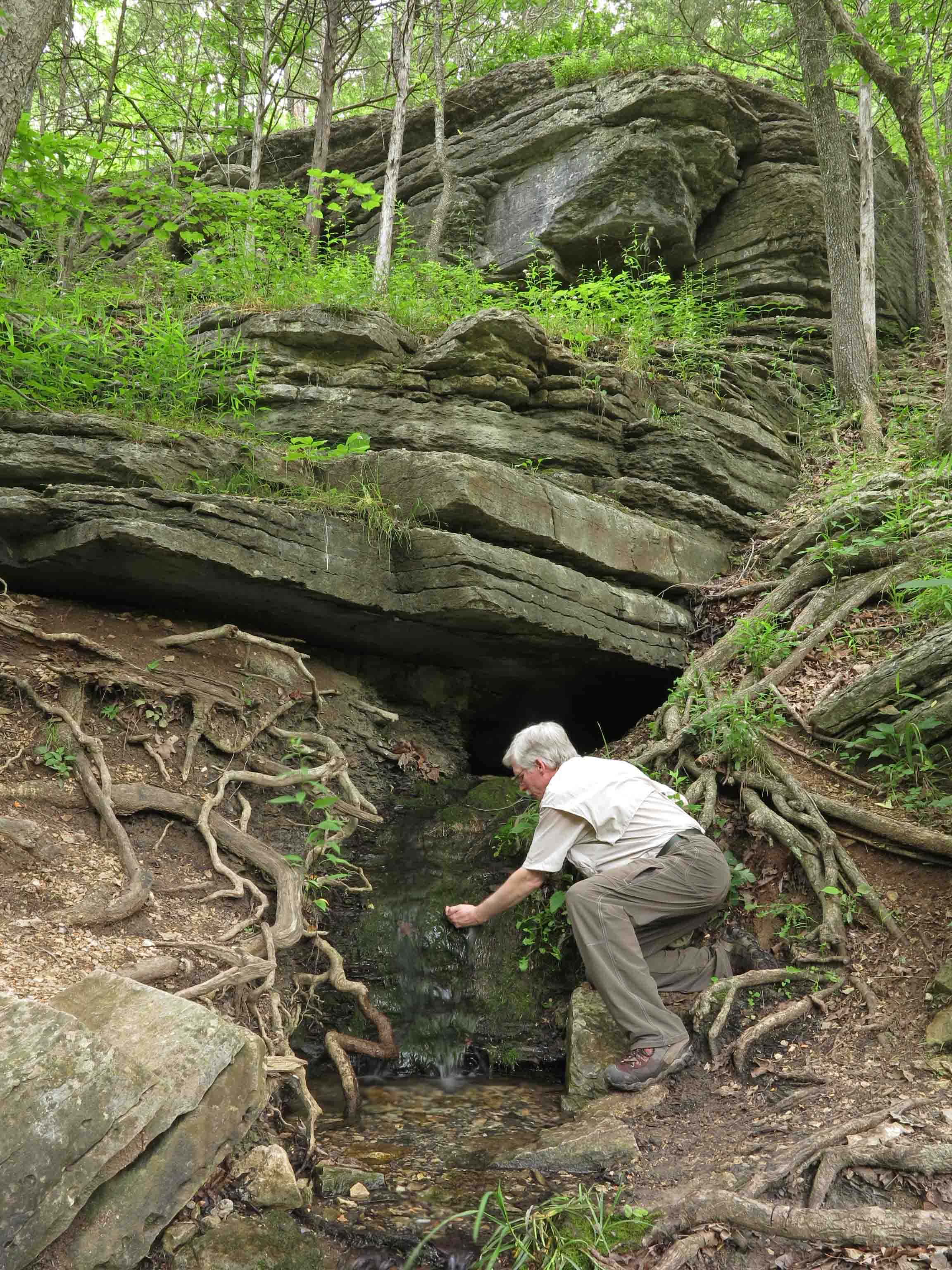
Small spring next to the trail in the Ozarks of Missouri

Small spring next to a trail in the Ozarks of Missouri

Beauty in Our Own Back Yard – The Lake Alma Trail

IMG_3592rr

Area photographer at McWater Falls

Here’s a link to my article in the April issue of Entertainment Fort Smith. I’m pleased to share the Lake Alma Trail with the readers of Entertainment Fort Smith. Wouldn’t you know Hiker-dog made it into the article’s slideshow. Hope her ego doesn’t get out of hand.

Beauty in Our Own Back Yard – The Lake Alma Trail

http://www.efortsmith.com/features/index.cfm/Beauty-in-Our-Own-Backyard-Lake-Alma-Trail/-/aid/200/

Trail Maintenance – A High Paying Job

We take a break and refill our water at the Jack Creek west camp site.

We took a break and refilled our water at the Jack Creek west camp site.

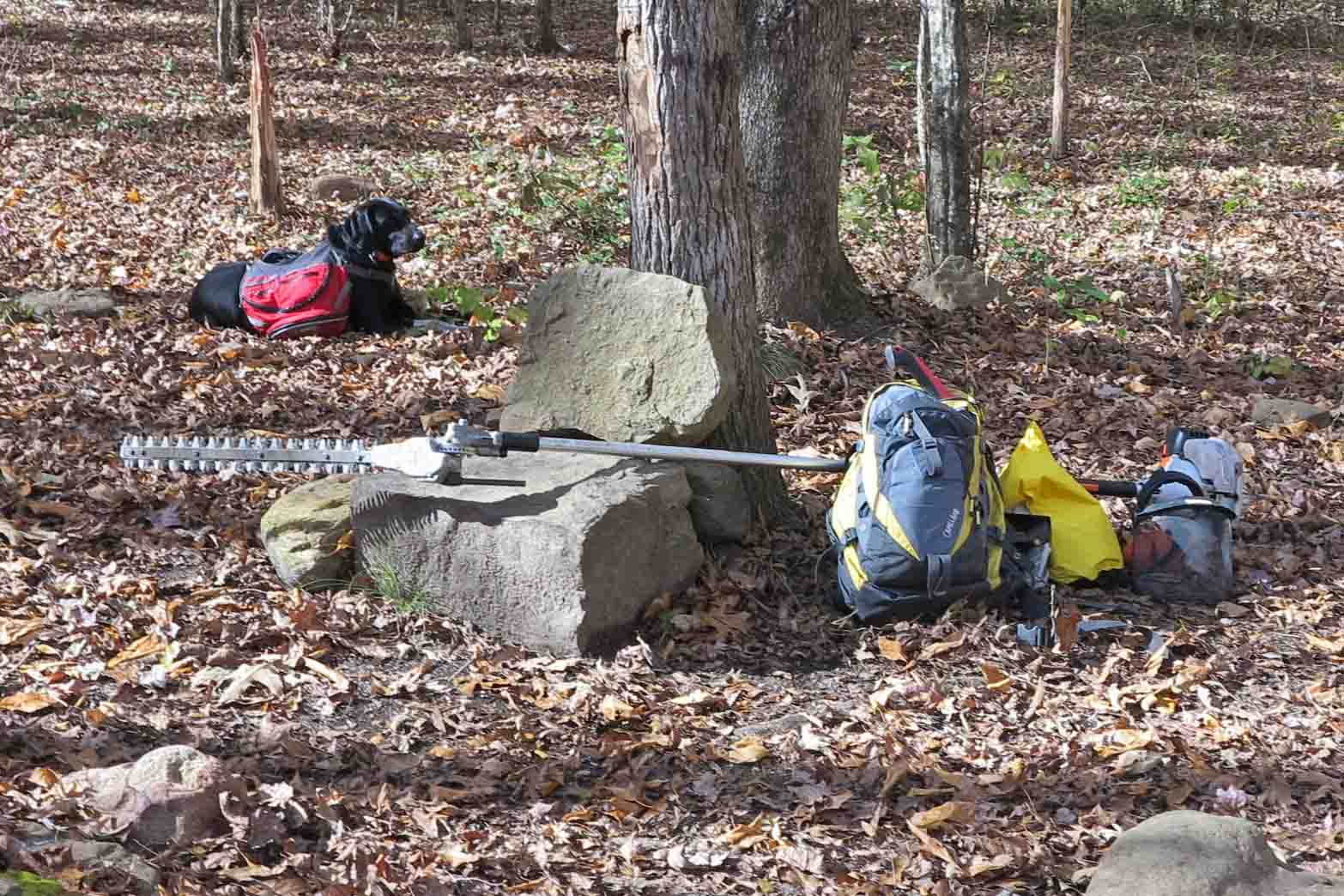
This Stihl hedge trimmer pictured above works well with small woody growth encroaching on the trail. I checked it out from the Ozark Highlands Trail Association to use on my adopted four-mile section. The Stihl website shows this being used to trim hedges, hence the name.  I wonder if Stihl realizes this is a favorite tool for trail work in Arkansas.

Hiker wasn’t impressed with the tool. After about five hours, she began to pause and bark as if to say, “Why don’t you quit playing with that and pick up your pace.” We covered four miles out-and-back for a total of eight. That would typically be a four-hour walk. We got started at 8:00 a.m. and finished at 4:20 p.m.

Practice "Leave no Trace" so I don't have to pack out your trash.

Practice “Leave no Trace” so I don’t have to pack out your trash.

Hiker carries some food in her pack. She packs out any trash we find. She ended the day with an empty plastic bottle, a tin can, and a few candy wrappers. I wonder how litterbugs would feel, knowing that a sweet dog like Hiker is cleaning up after them.

I feel a sense of pride when “my section” of the Ozark Highlands Trail is in good shape. I would recommend trail adoption to all hikers.  It’s satisfying work and a way to ensure that trails will be available for future hikers.  It’s also a good workout.  I always end a maintenance day feeling like I’ve been highly paid for my work.  To see some of those who make the OHT possible, read In Praise of Trail Maintainers/Volunteers.

Bear Creek at the trail crossing.

Bear Creek at the trail crossing.

Just being here is a cause for thanksgiving. Another cause for thanksgiving is the meal my creative wife prepares. Good food and company after trail maintenance is the best!

IMG_1507rr

In Praise of Trail Maintainers/Volunteers!

On a recent hike of the first 125 miles of the Ozark Highland Trail I was reminded of the importance of trail maintainers/volunteers.  We saw evidence of some great work that has been done over recent months and years.

Then I returned to my “home trail” and what I saw really amazed me.  Volunteers had obviously descended on the Lake Alma Trail and done their magic.  Following recent ice it was difficult to make it around the four-mile loop but today I enjoyed a relaxing hike, noticing evidence of trail work at every turn.

Volunteers are the reason we’re able to hike the beautiful trails of Arkansas!  As a novice hiker I assumed that trails rarely needed attention.  A few years ago I tried to hike a small neglected trail and realized the impact of volunteer trail maintainers.  Now, as an experienced hiker and occasional trail volunteer myself, I know the value of the work done and the satisfaction derived by doing trail maintenance or trail building.

If you’ve never participated in a trail workday, I would encourage you to try it.  You’ll enjoy a good workout and end the day with a deep sense of satisfaction and service to the wilderness and your fellow hikers.  Thank you volunteers!

IMGP3202r

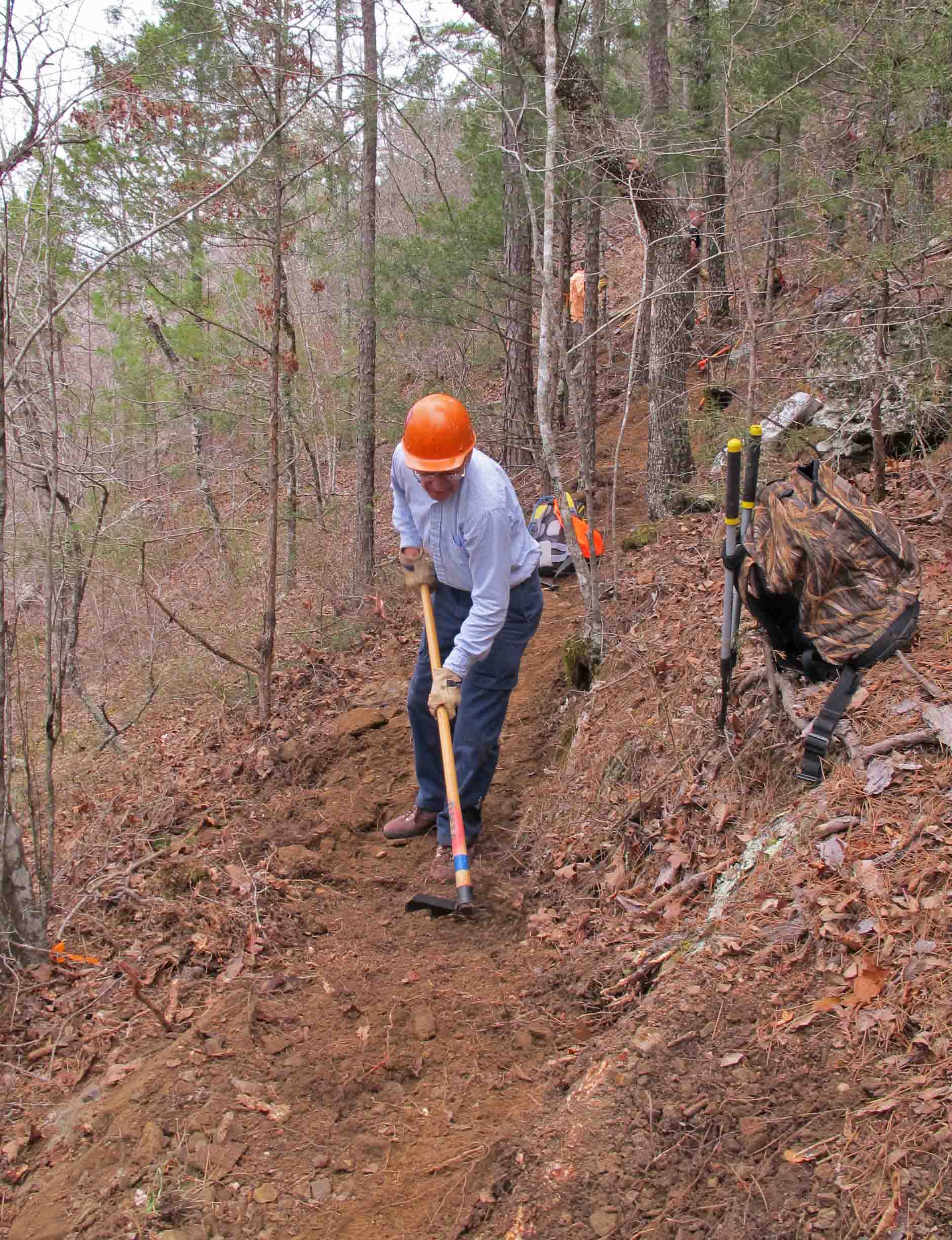
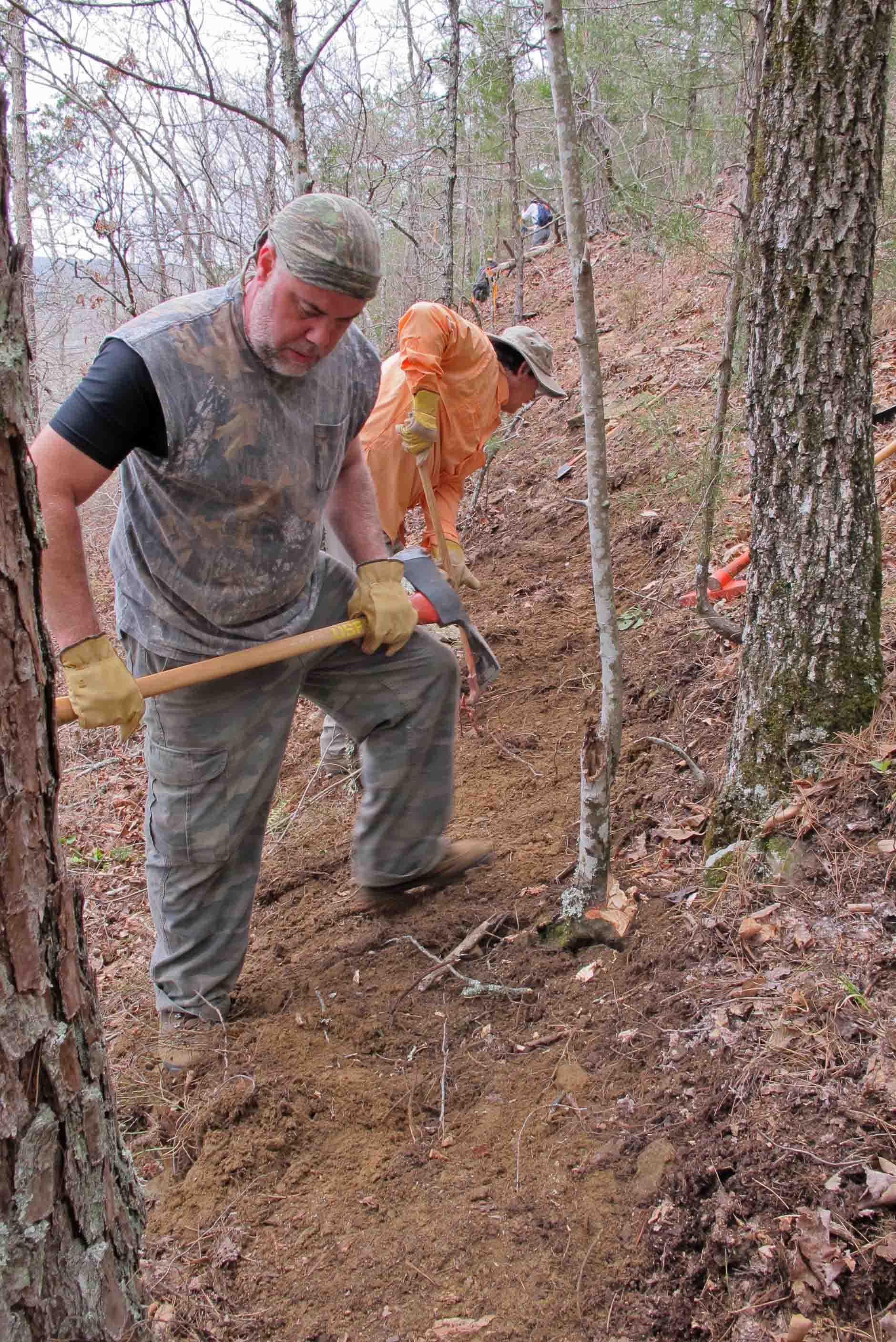
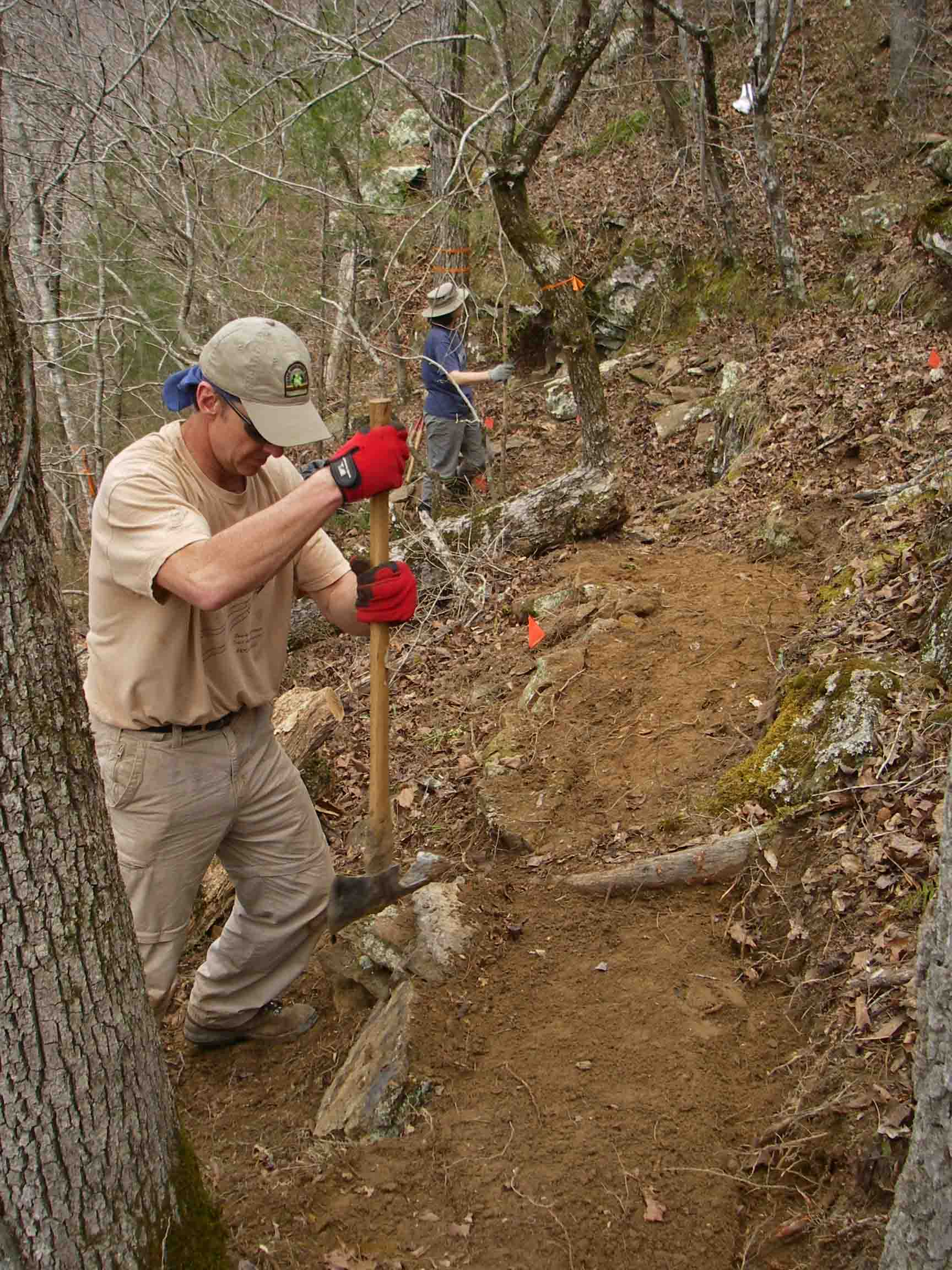
Chopping trail out of the hillside.

IMGP3178r

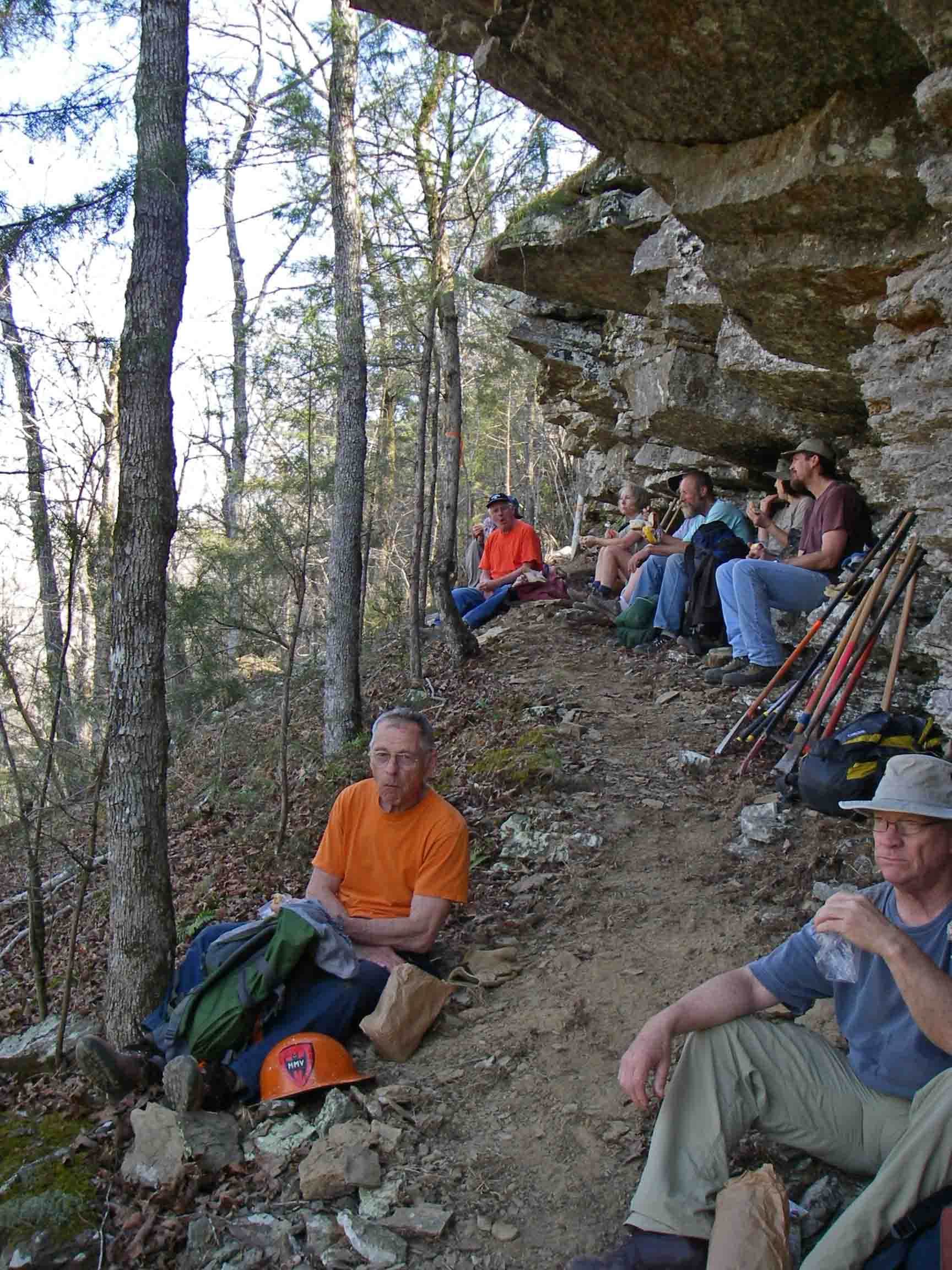
Lunch break under a beautiful bluff overlooking Indian Creek.

IMGP3081r

Duane, engineer and volunteer, looking at trail grade.

Building the Dawna Robinson Spur Trail.

Building the Dawna Robinson Spur Trail.

IMG_2777r

Dale building a trail he would then adopt to maintain, the Dawna Robinson Indian Creek Spur Trail.

IMGP3077r

IMGP3092r

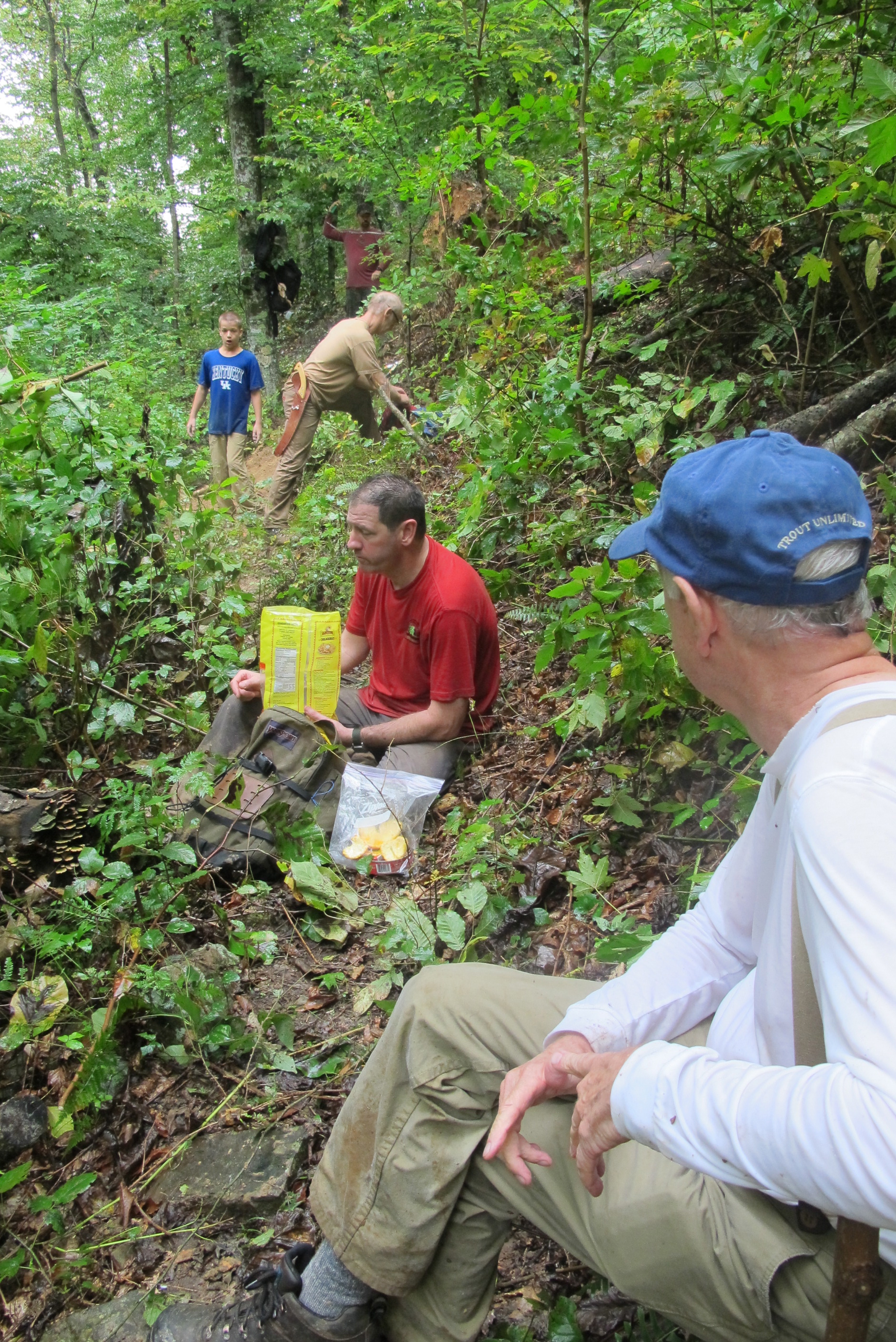
Keeping trail volunteers fed is a big job!

IMGP7465

OHTA Crew on Hare Mountain

IMGP7481

Lunch break

IMGP7853rr

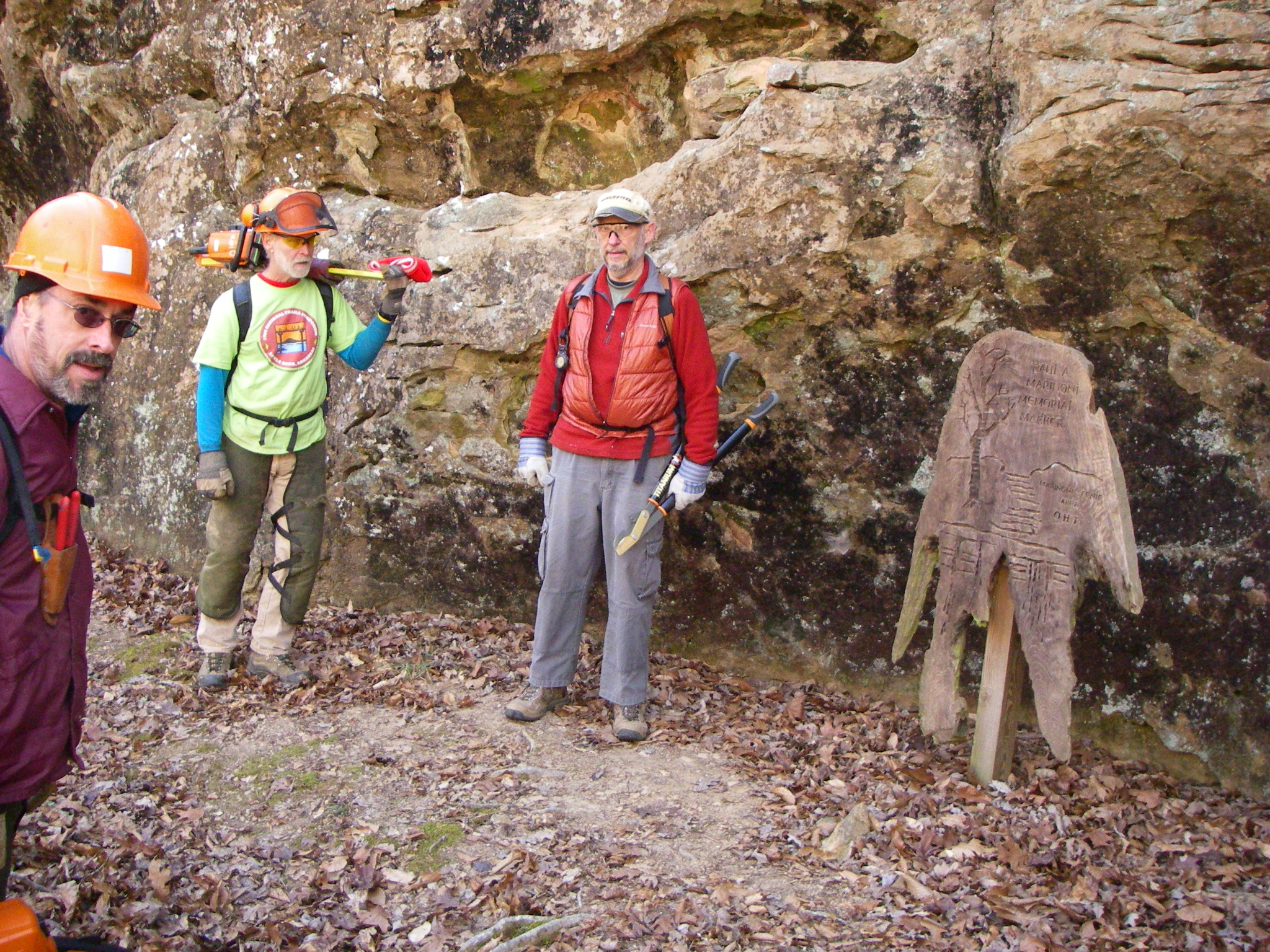
Enjoying fellowship and the satisfaction of a good day’s work in the Hare Mountain area. Left to Right: Mike Lemaster, President of the OHTA, Bob Robinson, Chris Adams, and Roy Senyard, Trail Maintenance Coordinator for the OHTA.

IMGP4104r

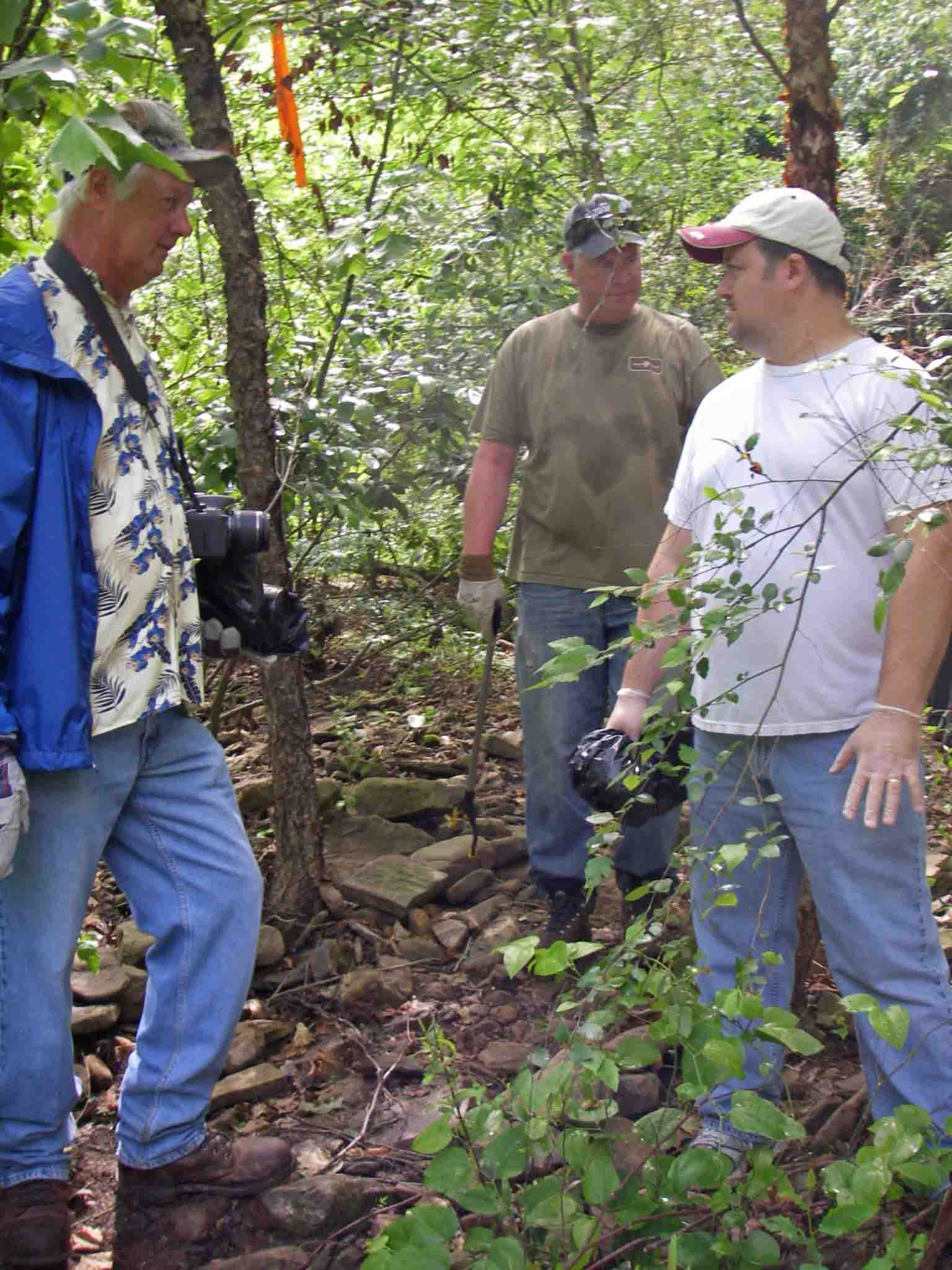
Volunteers picking up trash on the Lake Alma Trail

IMGP4110r

Harry McWater, the driving force behind building the Lake Alma Trail, visiting with volunteers.

IMGP4113r

Cleaning up the Lake Alma Trail.

IMG_5693

Arkansas Master Naturalists helping with trail building.

IMGP1039

Volunteers in the Marinoni Scenic Area of the Ozark Highlands Trail

roy

Roy Senyard, Trail Maintenance Coordinator for the Ozark Highlands Trail.

578129_407759932567508_100000005134210_1560803_720084863_n

Joe, clearing the Lake Alma Trail.

559627_414212651922236_100000005134210_1574935_149580487_n

Cliff, building some new trail at Lake Alma.

IMG_0743rr

Volunteers having breakfast before working in the Hurricane Creek Wilderness of the Ozark Highlands Trail.

IMG_0732rr

Mary is one hard worker when it comes to trail maintenance! She is shown here on the back porch of Mirkwood Cabin during a work trip on the OHT.

IMG_0788rr

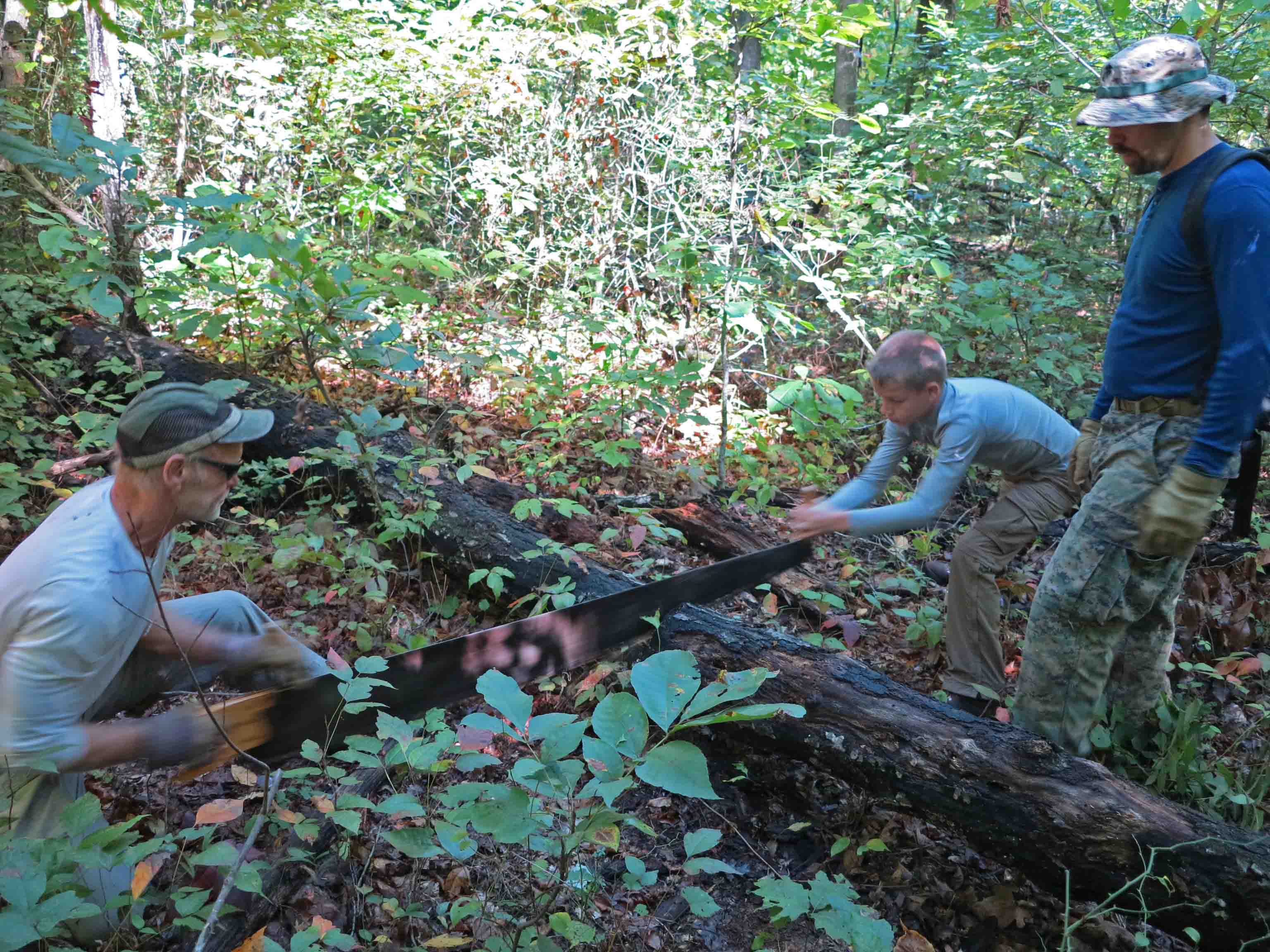
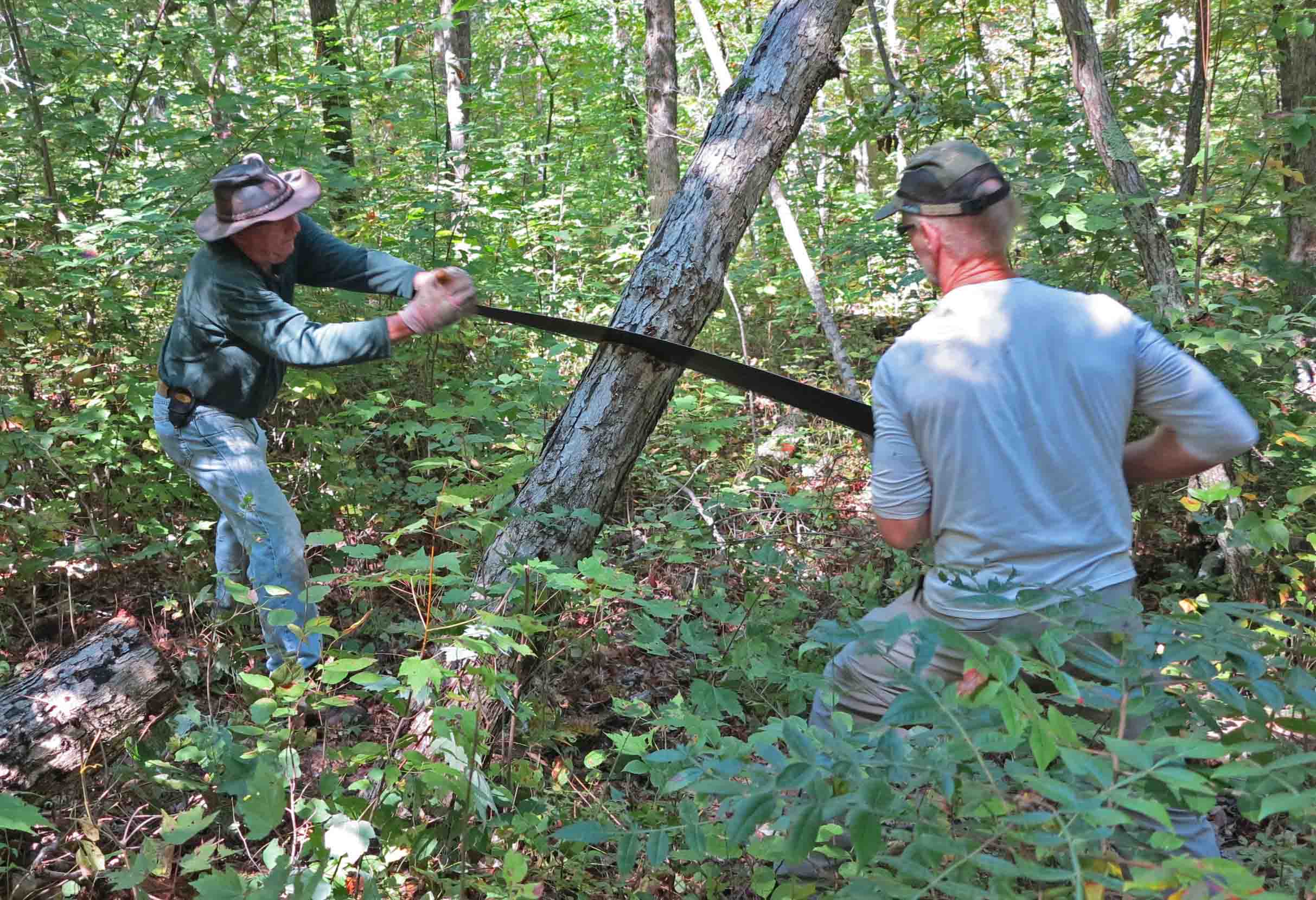
Using crosscut saws in the Hurricane Creek Wilderness

IMG_0795rr

Using crosscut saws in the Hurricane Creek Wilderness

IMG_0827rr

Bob Robinson, a “heavy lifter” when it comes to trail maintenance.

IMG_0871rr

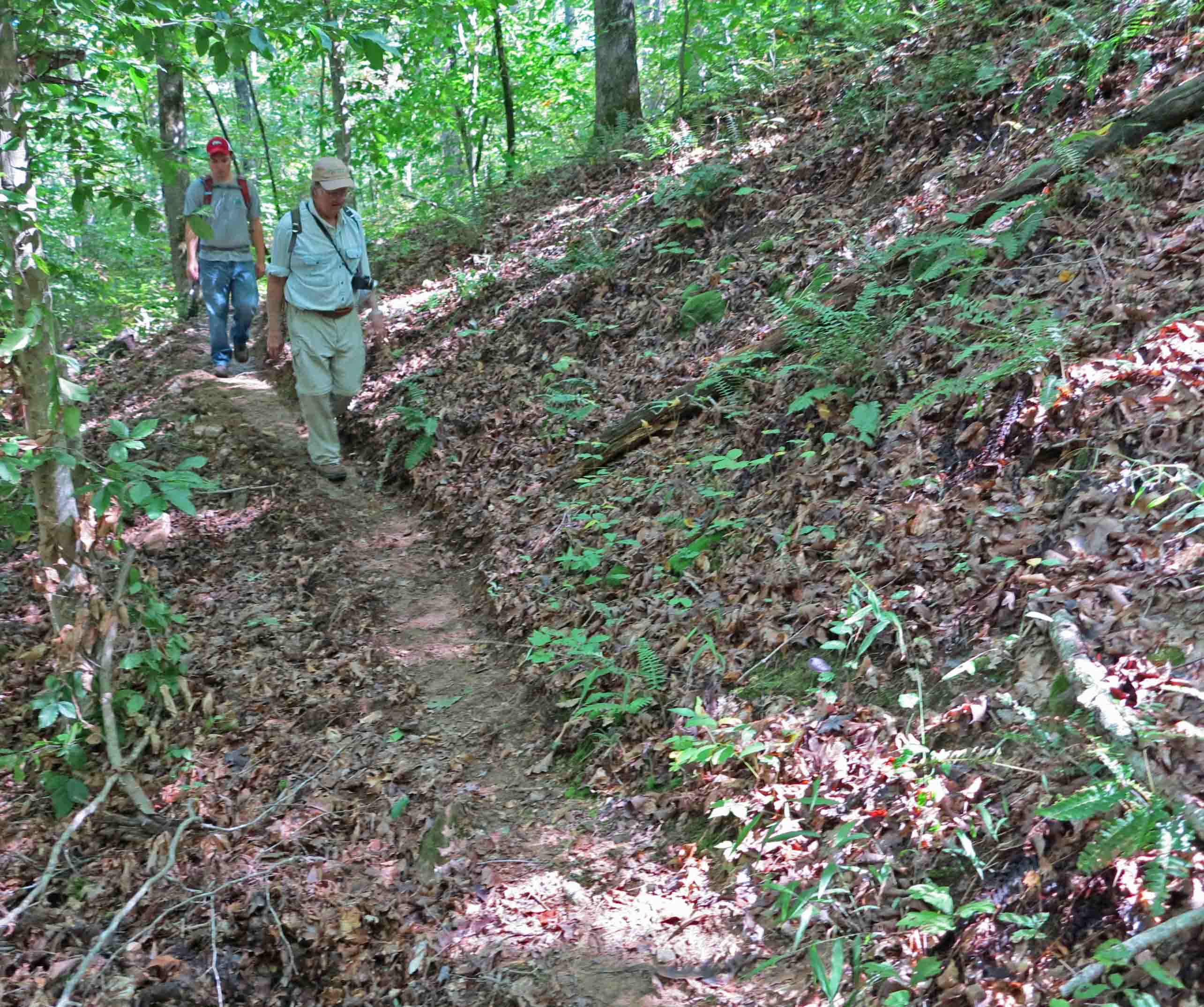
New tread being tested after recent side-hilling work.

IMG_2041

Steven Parker, right, became Trail Maintenance Coordinator for the OHTA in 2015.

IMG_0841rr IMG_0882rr IMG_2036